How Much Does a 30 Second YouTube Ad Cost?

Ask ten advertisers what a YouTube ad costs and you’ll get ten shrugs. That’s not a dodge – it’s the actual answer. But let’s back up. YouTube has quietly turned into one of the better places to reach people who are genuinely watching, not just scrolling past. More than 2.7 billion people log in every month, and the platform hands you sight, sound, and motion to play with. Few channels can say the same. Still, once budget enters the room, everyone wants the same thing: a number. What does a 30-second spot really run you?
Depends. There’s no fixed price tag to jot down and build a plan around. Your costs move with how you bid, how crowded your audience is, and whether the ad actually connects with the people it reaches. Understand those levers, and you’ll spend smarter – which, more often than not, beats spending more.
What Drives the Cost of a 30-Second YouTube Ad?
The Bidding System: How YouTube Determines What You Pay
It all runs through an auction inside Google Ads. You bid on the outcome you care about – cost-per-view (CPV), cost-per-thousand-impressions (CPM), or a target cost-per-action (CPA) – and you’re competing against everyone else chasing the same viewers. The cost of YouTube ad placements typically lands somewhere between $0.03 and $0.30 on a CPV basis. Crowded spaces like finance or legal services? Plan on paying more.
Your bid isn’t the whole story, though. Google also weighs ad quality and the engagement it expects your creative to earn. So a strong ad with a healthy click-through rate can quietly outperform a rival bidding higher and coasting on it.
Audience Targeting: Reaching the Right People at the Right Price
Targeting is usually where the meter starts climbing. Tight segments – in-market audiences, narrow demographics – get competitive fast, and that pressure drives your CPV up. Widen the net and you’ll generally pay less per view. The catch: you might trade away some quality getting there.
Location matters too. Reaching viewers in the US, UK, or Australia costs more than emerging markets. It’s demand, plain and simple. More advertisers fighting over the same eyeballs, higher prices.
Ad Quality and Relevance: Why Better Ads Cost Less to Run
Here’s the part people underestimate. YouTube rewards relevance. Ads that hold attention, earn real engagement, and genuinely suit their audience win more auctions – and cost less per result over time. Good creative isn’t just a marketing win. It’s a practical way to shave down what you actually pay per view.
How 30-Second Ads Fit Within YouTube’s Ad Format Options
A few formats to choose from, and 30-second ads mostly live in two: skippable in-stream and non-skippable in-stream.
Skippable in-stream ads let viewers bail after five seconds. You only pay when someone watches 30 seconds – or the full ad, if it’s shorter. That’s what makes them a smart fit for longer spots, and the ad on YouTube cost only kicks in when there’s genuine interest. Anyone who isn’t interested simply skips, and it costs you nothing.
Non-skippable in-stream ads are usually capped at 15 seconds in most regions, and viewers have to sit through the whole thing. A full 30-second spot doesn’t really belong here. So if you’re running 30 seconds, skippable is nearly always your answer.
Bumper ads round out the lineup: six seconds, non-skippable, priced on CPM. Way too short for 30-second content, obviously – but they play nicely alongside longer ads when you’re stitching together a sequenced campaign.
How to Maximize ROI and Reduce Wasted Ad Spend on YouTube
Using Exclusion Lists to Protect Your Budget
One of the most overlooked moves has nothing to do with where your ads show up. It’s about where they don’t. Building a YouTube exclusion list is how you block specific channels and content categories from serving your ads – and that’s where a surprising amount of quiet savings hides.
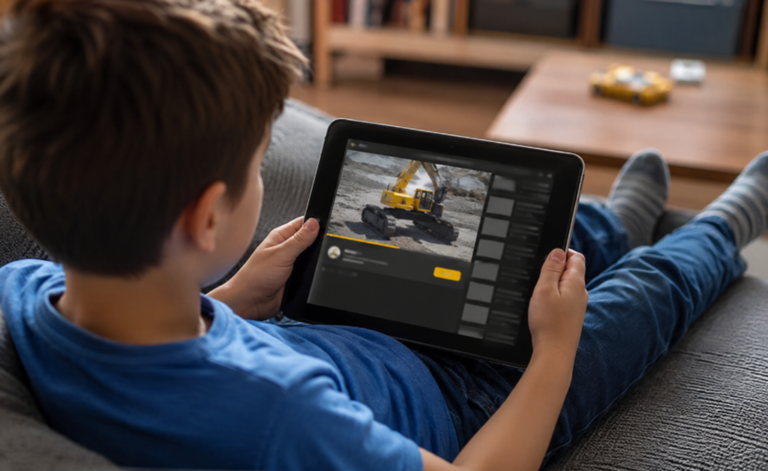
Children’s channels are the classic culprit. Enormous viewership, sure – but that audience rarely matters for most advertisers. Your ad plays, the impression counts, and nothing useful comes of it. Except your costs, which keep inching up. We help advertisers handle exactly this at Exclude Kid Channels with a curated exclusion list that strips out kids’ channels and other low-value placements automatically, keeping your budget pointed at people who actually count.
Continuous Campaign Refinement to Improve Cost Efficiency
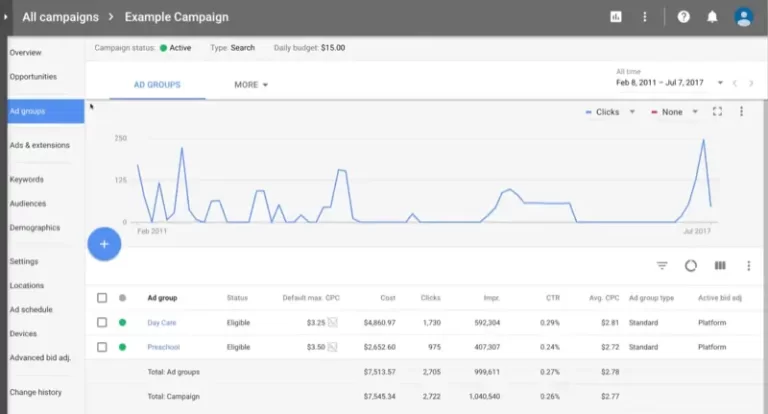
A YouTube campaign is not a set-it-and-walk-away job. Check your placement reports often. Tweak bids by device and audience segment. Test fresh variations. None of it feels dramatic, but it adds up to lower costs over time. And those first five seconds – don’t skip them. A/B testing your opening hook on a skippable ad can lift view-through rates and drag your CPV down right along with them.
Key Takeaways for YouTube Advertisers
No single price tag on a 30-second YouTube ad. Never has been. The YouTube ad cost comes down to how you bid, how competitive your audience is, the strength of your creative, and – easy to forget – where your ads actually end up.
Advertisers who take control of their placements, especially by cutting irrelevant channels like the ones built for kids, tend to see better results across the board. Cleaner placements, cleaner data, stronger engagement, and more value from every dollar you spend.
FAQs
Can I Control Which Videos Or Channels My Ads Appear On?
You can, and it pays off. YouTube lets you pick specific placements, so you can target the exact channels or videos where you want your ads running. You can also flip it and exclude placements that don’t fit. Review your placement reports regularly, trim the ones that aren’t pulling their weight, and you’ll cut wasted spend while keeping your budget focused where it counts.
How Long Does It Take To See Results From A Youtube Ad Campaign?
It varies. If you’re still wondering how much does a 30 second YouTube ad cost before committing to a timeline, that’s fair – but results and spend are two different clocks. Most advertisers start seeing useful data inside the first one to two weeks. Early on, the algorithm is still learning – working out who responds to your ad and where to serve it. Give the campaign some breathing room before you make sweeping changes. Once you’ve gathered enough impressions and views, you’ll have a far clearer read on what’s working and what to adjust.
What Is The Minimum Budget Needed To Start Advertising On Youtube?
No hard floor. Google Ads lets you set your own daily budget and adjust whenever you like. Still, most advertisers find that starting around $10–$20 a day gives you enough data to see what’s landing. Begin small, watch performance, then scale up once you’ve got a solid sense of your cost-per-view and audience engagement.